
A Look at the Palm Groves of Southern Iran and the Date Harvesting Process

Article Summary

Southern Iran, with its vast palm groves, embodies the life, resilience, and culture of the local people. The palm tree, being heat- and drought-resistant, serves as a valuable source of food, handicrafts, and income for the communities in the south. The date harvesting process—from khark (immature fruit) to rutab and fully ripened dates—is marked by celebration and family collaboration.

Table Of Contents

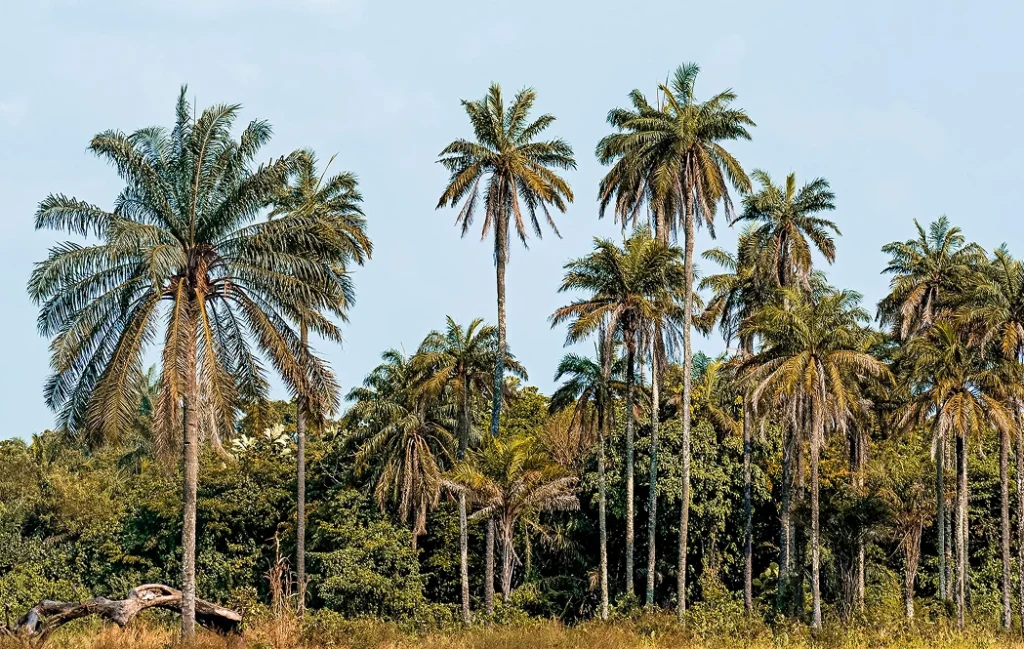
Southern Iran, with its lush palm groves and warm-hearted people, is truly the land of brown gold—a place where the palm tree is not just a tree but an integral part of the culture, life, and identity of the people. From Kerman and Hormozgan to Bushehr and Khuzestan, the palm groves, with roots deeply embedded in the warm southern soil, showcase resilience and abundance.

🌞 The Palm Tree: The Tree of Life in Southern Iran’s Warm Climate

The date palm is one of the most heat- and drought-resistant plants. It thrives even in saline soils and arid regions and has long served as a sustainable source of food and income for the people of southern Iran. The palm not only provides the nutritious fruit known as dates but its leaves, trunk, and fibers are also used in handicrafts, basket weaving, and as fuel.

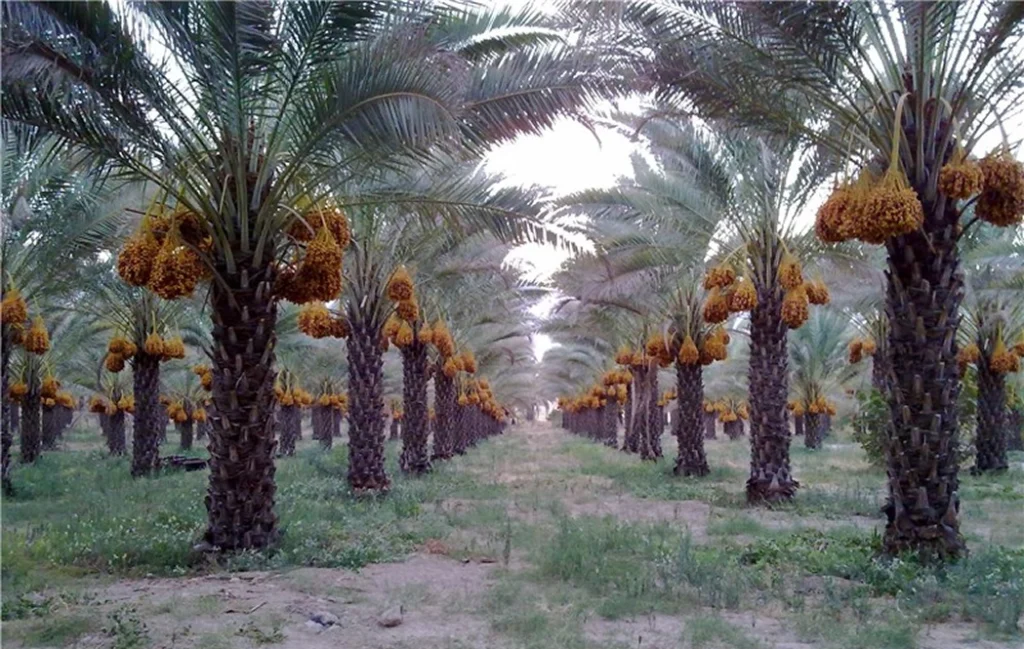
In southern Iran, palm trees are planted in rows along water channels—locally called “Qaris” or “Karts”—to make the most of the soil’s moisture. The sound of the wind rustling through the tall palm leaves paints a picture of serenity and life amid the southern heat.

🌾 Timing and Stages of Date Harvesting

The timing of date harvesting in Iran varies depending on the type, but it generally takes place from late August to October. During this season, the high temperatures ensure the fruits ripen fully, and the palm groves become a lively scene of farmers’ activity.

The date harvesting process typically involves several stages:

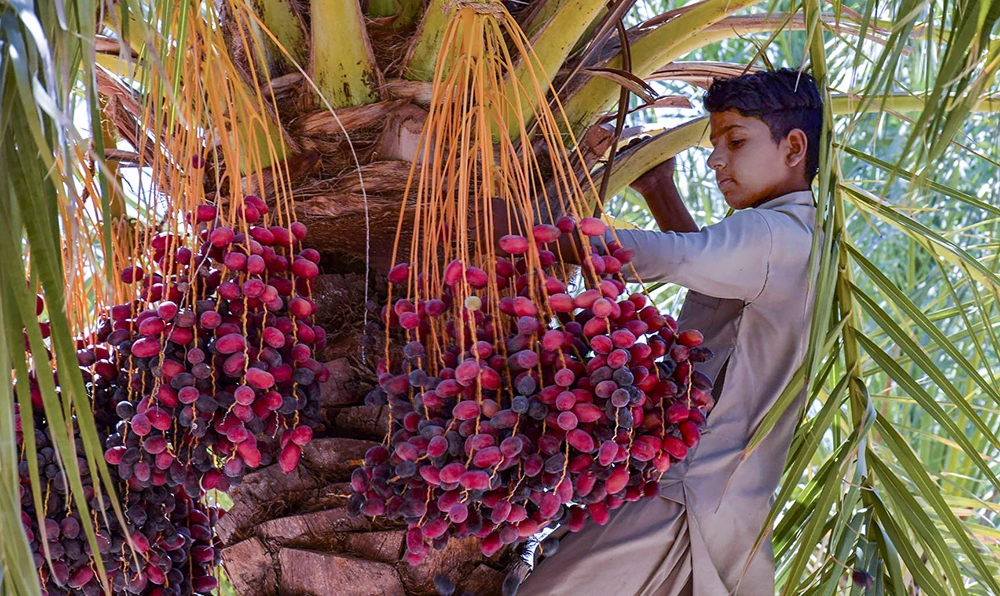
  1. Rutab Ripening: Initially, the immature fruit of the palm turns yellow or red, which is called “Khark.” As the natural sugar content increases, it transforms into soft and sweet “Rutab.”

  2. Date Maturation: In the final stage, as some of the moisture is lost, the rutab transforms into fully ripened dates that are ready for storage.

  3. Date Picking: Harvesting dates is usually done by climbing the palm trees. Workers, known as “Nakhlero” or “Cherkero,” skillfully ascend the trunks and cut the clusters using special sickles.

  4. Collecting and Drying: After harvesting, the dates are spread out on a clean surface, either in the shade or under the sun, to remove excess moisture. They are then prepared for storage or packaging.

🧺 The Role of Palm Trees and Dates in the Lives of Southern Communities

In southern Iran, the palm tree is not just a source of food but an integral part of daily life. In many southern villages, palm groves are considered a family heritage, passed down through generations. The date harvest festival is one of the most joyful and lively moments in the villages, where families come together to collect the year’s crop.

Palm leaves are used to weave caps, baskets, fans, and mats, while date syrup is widely used in many local dishes and sweets.

🌿 Konarkade: Inspired by the Palm Groves of Southern Iran

At Konarkade, we proudly source our products from the heart of these authentic southern Iranian palm groves. Each package of dates is the result of the hard work of farmers who, with love and skill, have cared for their trees for years to deliver healthy, natural, and flavorful fruit to you.

Our goal is to bring the aroma, taste, and authentic feel of southern palm groves right to your home.

Visit our store to purchase a variety of southern products.

Leave a Reply

Your email address will not be published. Required fields are marked *

Read More

5 Tips for Storing Dates at Home for the Long Term

Proper date storage helps preserve its flavor, texture, and nutritional value over time. In this article, you’ll learn how to keep your dates fresh and delicious using simple methods such as choosing the right temperature, using sealed containers, and storing them in the freezer. With Konarkade’s expert tips, your dates will always stay fresh.

Read More >>

Differences and Characteristics of Southern Iranian Dates: Mazafati, Piaram, Kabkab, and Zahedi

Iran is a land of diverse and flavorful dates—from the soft and sweet Mazafati to the luxurious, export-quality Piaram, the juicy Kabkab, and the dry, long-lasting Zahedi. In this article, we compare the southern Iranian dates in terms of taste, texture, moisture, and nutritional benefits to help you choose the best type. Join Konarkade to discover the true taste of Iranian dates.

Read More >>

Homemade Chocolate-Stuffed Dates with Nuts Recipe

If you’re looking for a healthy, energizing snack without artificial sugar, chocolate-stuffed dates with nuts are one of the best choices. This natural treat combines the pleasant sweetness of dates with the rich taste of dark chocolate, making it an excellent alternative to processed sweets.

Read More >>

A Look at the Palm Groves of Southern Iran and the Date Harvesting Process

Southern Iran, with its vast palm groves, embodies the life, resilience, and culture of the local people. The palm tree, being heat- and drought-resistant, serves as a valuable source of food, handicrafts, and income for the communities in the south. The date harvesting process—from khark (immature fruit) to rutab and fully ripened dates—is marked by celebration and family collaboration.

Read More >>