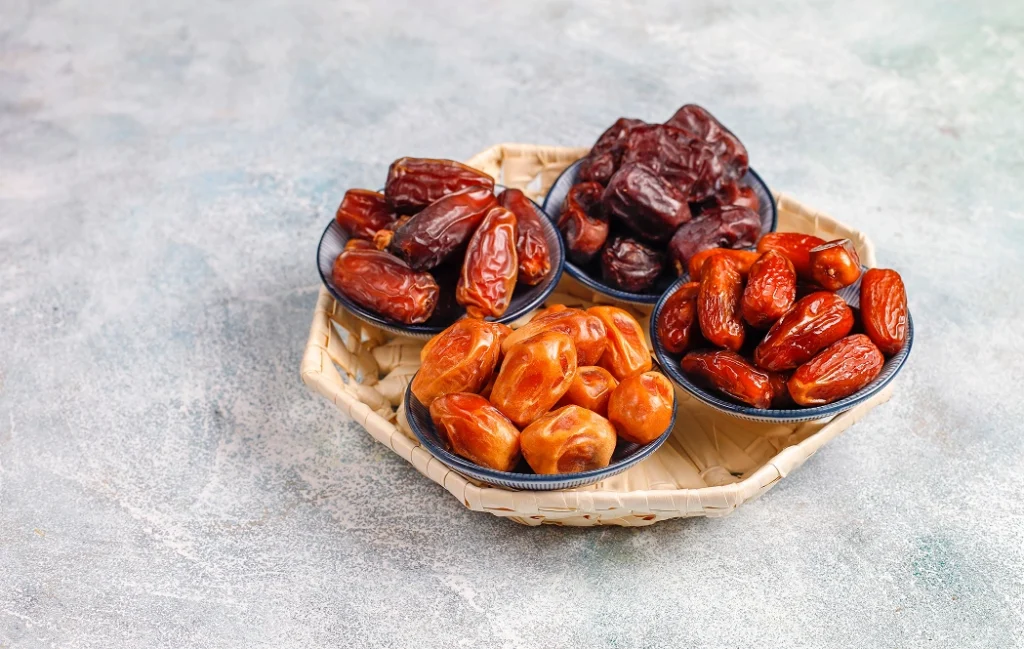
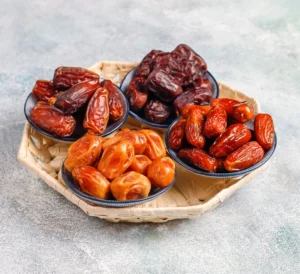
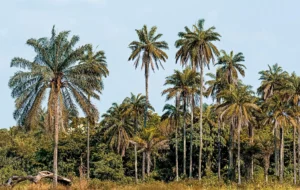
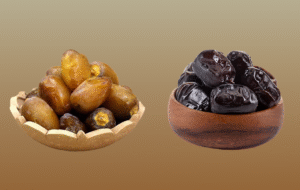
Southern Iran, with its warm climate and fertile soil, is one of the main date-producing regions in the world. From Kerman and Hormozgan to Bushehr and Khuzestan, each area has its own unique dates, differing in taste, color, moisture, and nutritional value. In this article, we introduce and compare four of Iran’s most popular dates—Mazafati, Piaram, Kabkab, and Zahedi—to help you make a better choice when buying.
🌴 Mazafati Dates: The Unmatched Aroma and Flavor of the South
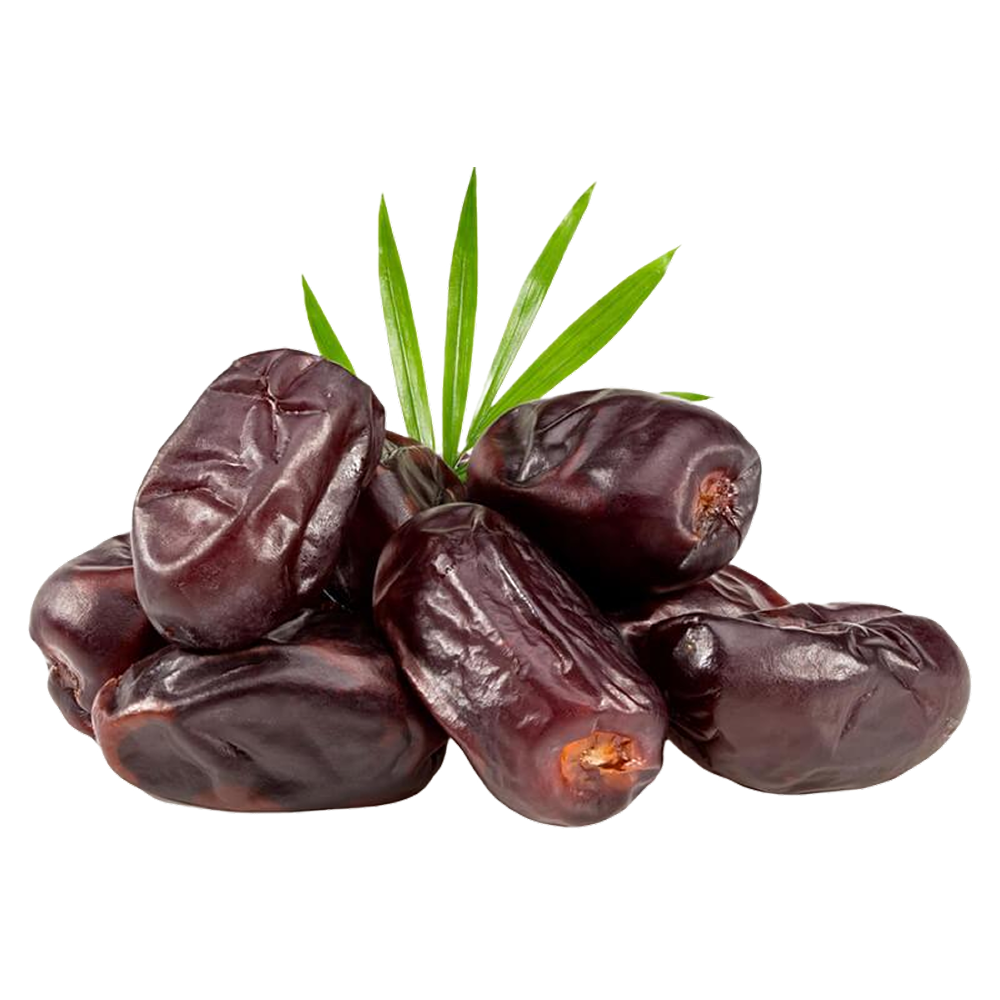
Mazafati dates, primarily cultivated in the Bam region of Kerman, are among the most famous and popular dates in Iran and even worldwide. They range in color from dark brown to black and have a soft, moist texture. Due to their high moisture content, Mazafati dates are classified as “wet” dates and have a texture similar to natural syrup when consumed.
Its very sweet taste and delicate texture make it the top choice for Iranian families for daily consumption and serving guests.
Mazafati dates are also rich in potassium and iron, playing a role in regulating blood pressure and boosting the body’s energy.
🌿 Piaram Dates: Iran’s Black Gold
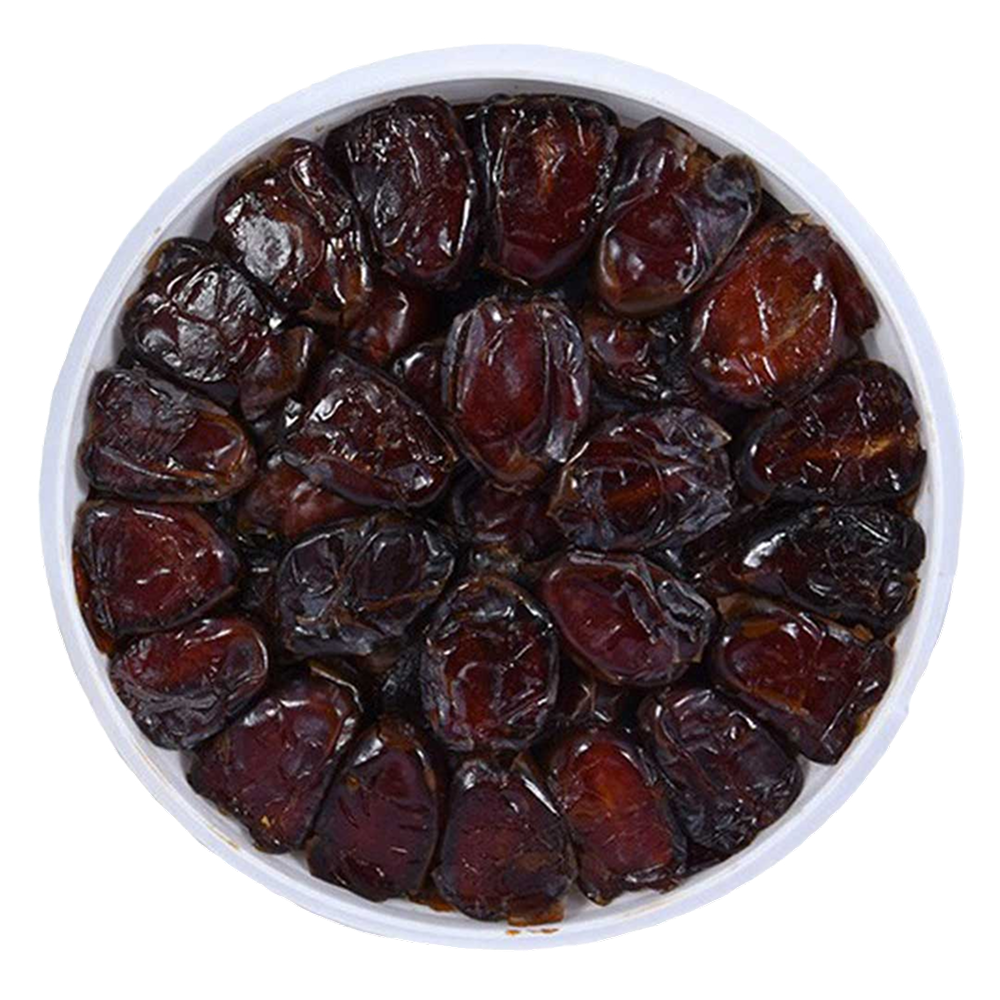
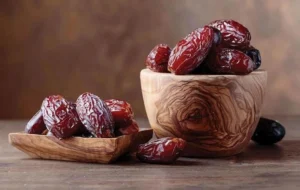
Piaram dates, known as “Iran’s luxury export dates” are primarily harvested in the Hajjiabad region of Hormozgan. These semi-dry dates have a dark brown color, and their thin skin is almost attached to the flesh.
Its sweetness is milder than Mazafati and has a distinctive, caramel-like flavor that has gained many fans in global markets.
Piaram dates, due to their high natural sugar content, provide a lot of energy. However, because of their natural composition, they have a lower glycemic index compared to many sweets, making them a more moderate choice for people with diabetes.
☀️ Kabkab Dates: Sweet, Juicy, and Traditional
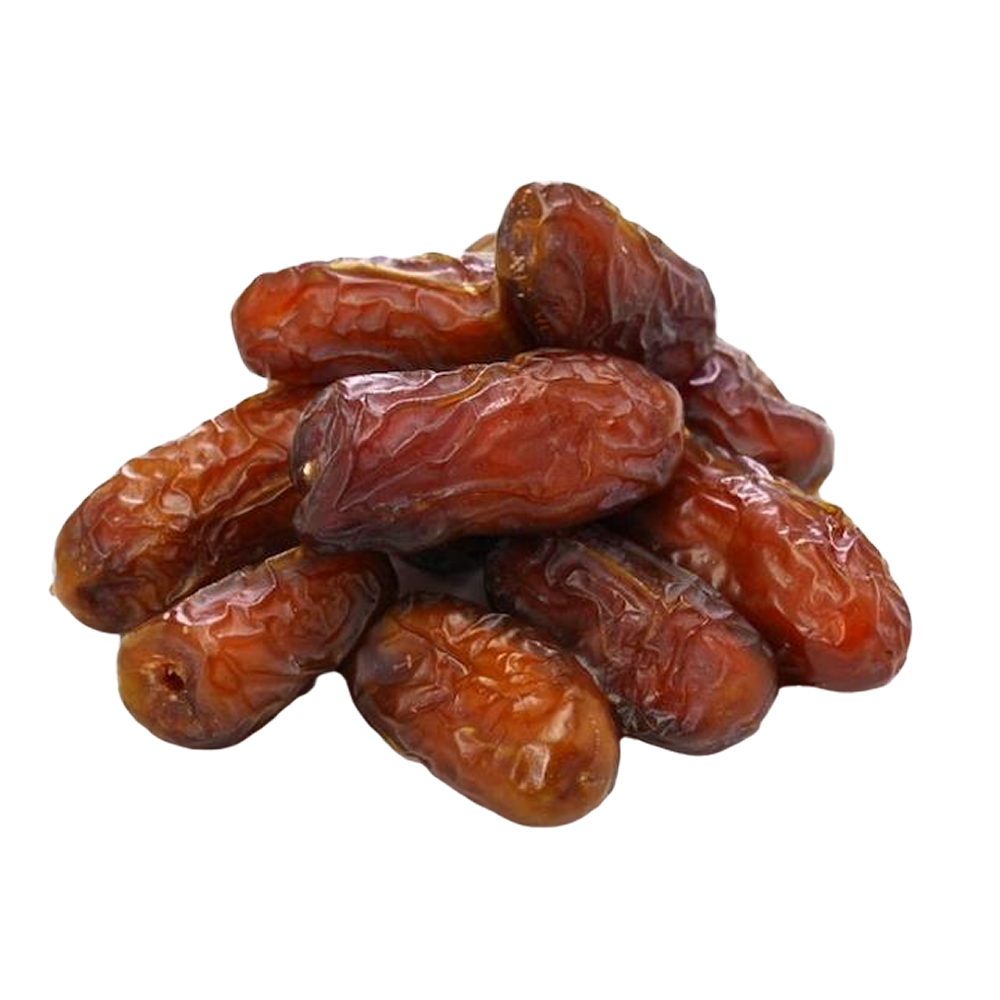
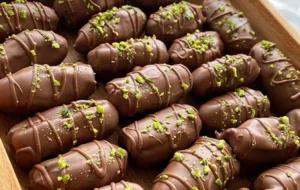
Kabkab dates are among the well-known varieties from Bushehr and Kazeroon. When fully ripe, their color ranges from light to dark brown, and they contain a lot of natural syrup. These dates are widely used for making date syrup, chocolate-stuffed dates, and traditional sweets. Their texture is fleshier than Mazafati, with a slightly more caramel-like flavor and less tartness.
In terms of nutrients, Kabkab dates are rich in minerals such as magnesium and phosphorus, and consuming them can help boost energy and improve memory.
🌾 Zahedi Dates: Dry, Healthy, and Long-Lasting
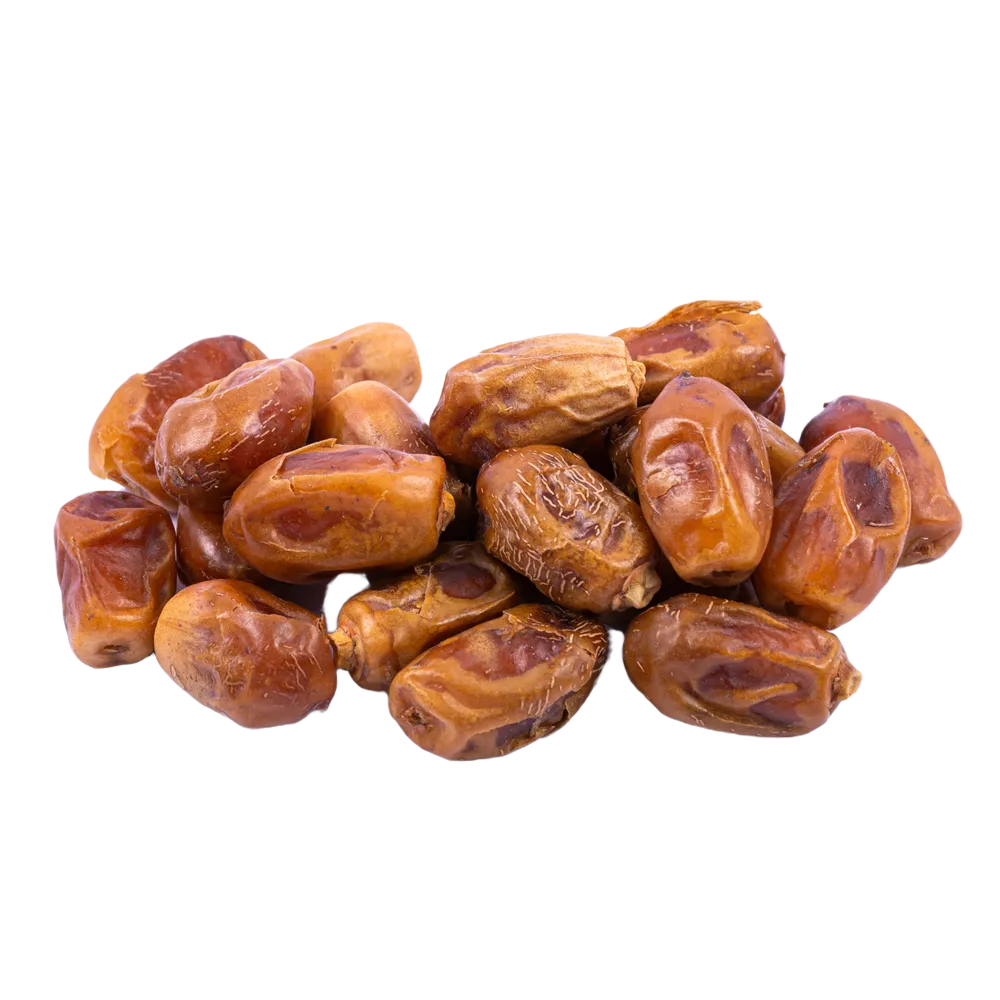
Unlike the previous three types, Zahedi dates are dry and late-ripening, cultivated in the provinces of Fars, Bushehr, and Khuzestan. They have a light yellow-brown color, and due to their low moisture content, they have a very long shelf life.
Zahedi dates have a mild sweetness, making them a suitable choice for those who prefer to consume less sugar.
Since its skin is thicker, it is less prone to damage during transport, making it ideal for export and long-term storage.
⚖️ Final Comparison of Dates
| Date Type |
Texture Type |
Moisture Content |
Taste |
Shelf Life |
Main Production Region |
| Mazafati |
Soft and Moist |
High |
Very Sweet |
Less |
Bam (Kerman) |
| Piaram |
Semi-Dry |
Middle |
Mildly Sweet |
Middle to High |
Hajiabad (Hormozgan) |
| Kabkab |
Moist and Fleshy |
High |
Caramel-Sweet |
متوسط |
Booshehr, Kazeroon |
| Zahedi |
Dry |
Low |
Mildly Sweet |
High |
Fars, Booshehr, Khoozestan |
🌿Wrap-Up
Each type of date has its own unique flavor and characteristics, and choosing among them depends on your taste preferences. If you enjoy soft, syrupy dates, Mazafati is the ideal choice; for a luxurious, semi-dry date, Piaram is the best option. Kabkab is perfect for making syrup or traditional desserts, and Zahedi is the choice if you want dry and long-lasting dates.
At Konarkade, we strive to bring the true taste of Iranian dates to your table by offering the freshest and highest-quality dates from southern Iran 🌴✨.